03
Rovers
Ground vehicles for navigation, terrain handling and manipulation work.
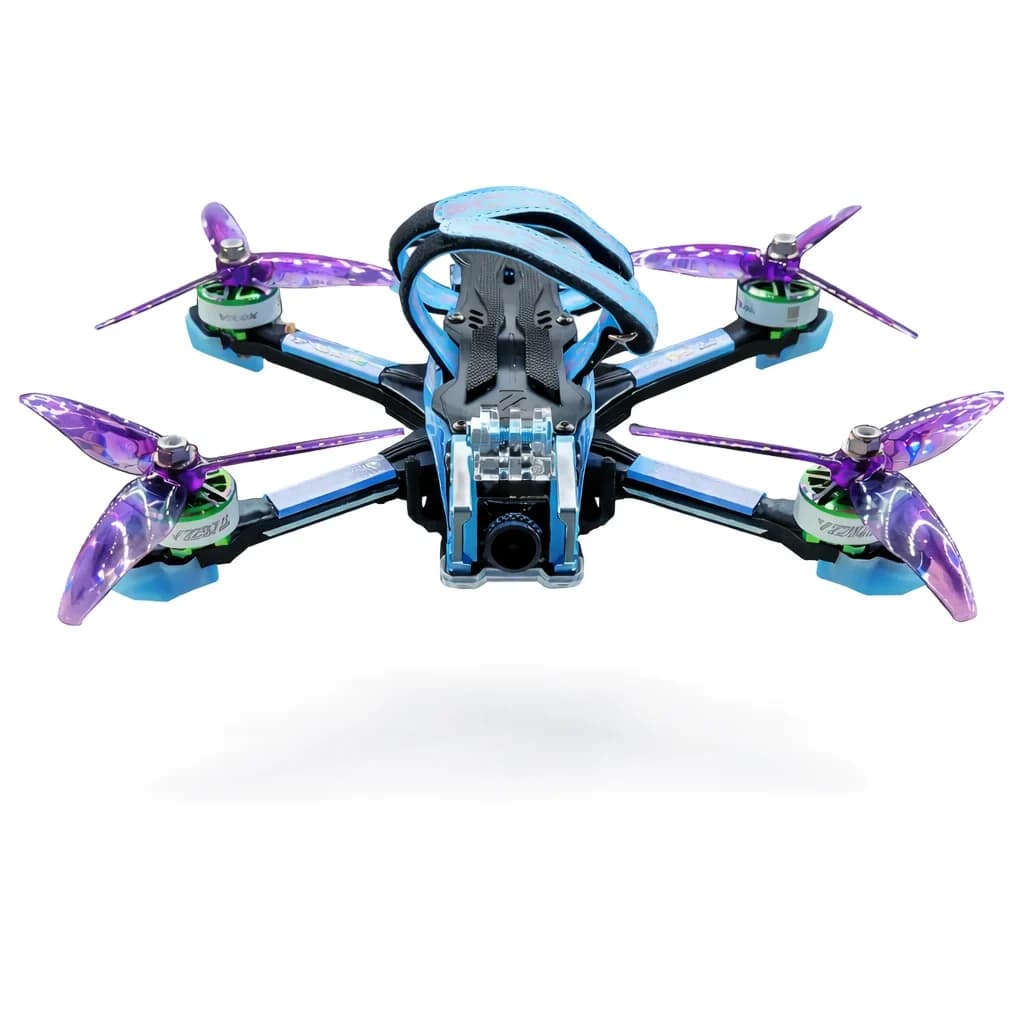
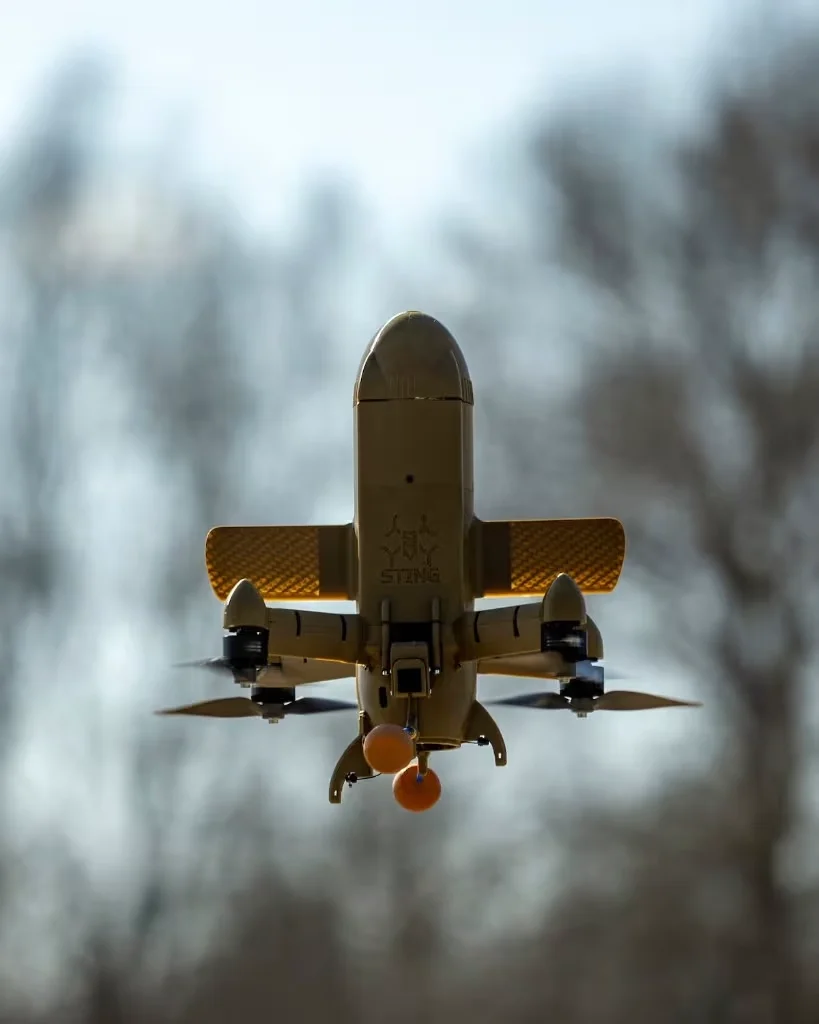
Robotics kits, drones and quadruped platforms — with the engineering guidance to get from a first assembly to a machine that actually works.
Introduction
Most people meet robotics through a syllabus — equations, block diagrams, a simulation that always converges. The moment a real machine has to hold itself up, none of that is quite enough. Wires come loose. Controllers oscillate. A leg lands somewhere it shouldn’t.
Utpal Robotics exists to close that gap. We build hardware people can actually get their hands on, write the material that explains it, and stay available while it is being put together — for students, for enthusiasts, and for teams who need a machine built properly.
What we build
Ground vehicles for navigation, terrain handling and manipulation work.
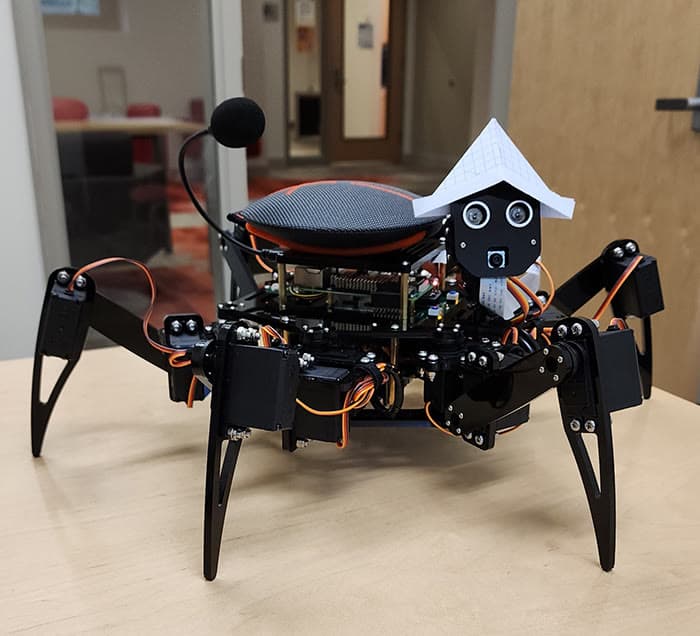
Multi-legged machines — gait generation across many degrees of freedom.
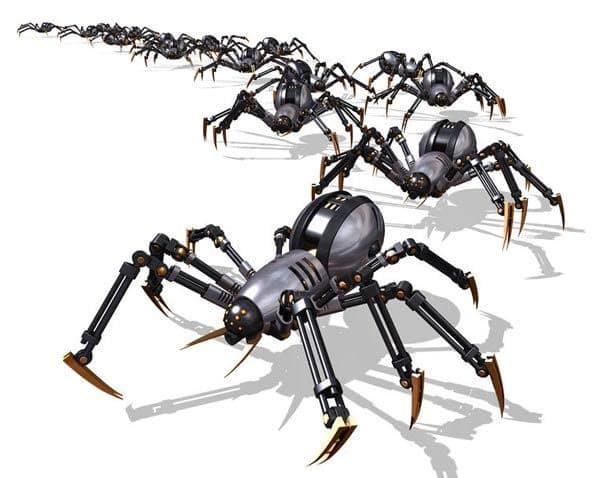
Several machines coordinating: communication, formation and shared state.
Moonlander-style builds and one-off machines made to test an idea properly.
Products
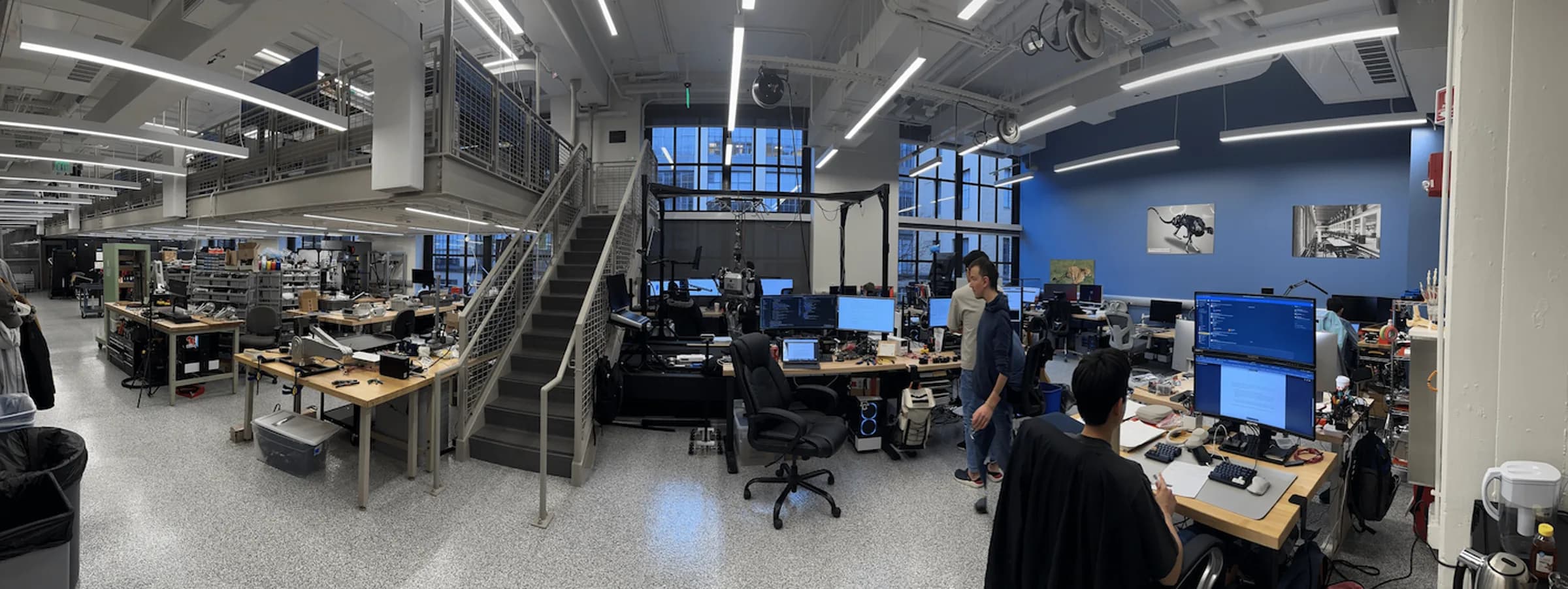
Learn by building
Every kit is meant to end up switched on. The hardware comes with the material needed to understand it, and with someone to ask when the machine does something unexpected.
Hardware chosen so it can be assembled and understood.
Written instructions that cover assembly and first power-on.
The machine running, so you know what correct looks like.
Something to build next, once the basics work.
Projects
Ground systems
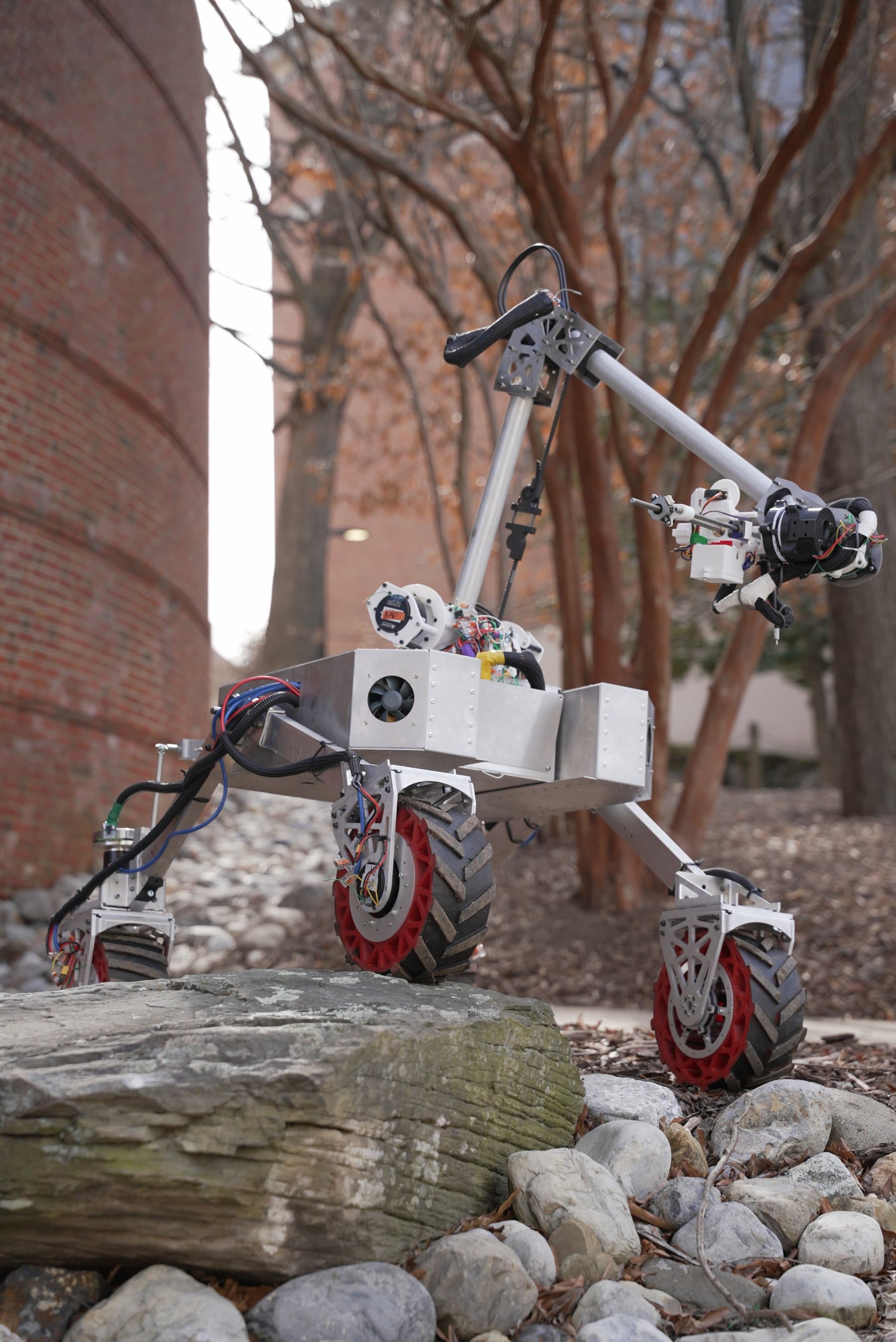
A wheeled platform carrying an arm, built around uneven ground: suspension, traction and picking things up once it arrives.
Legged robotics
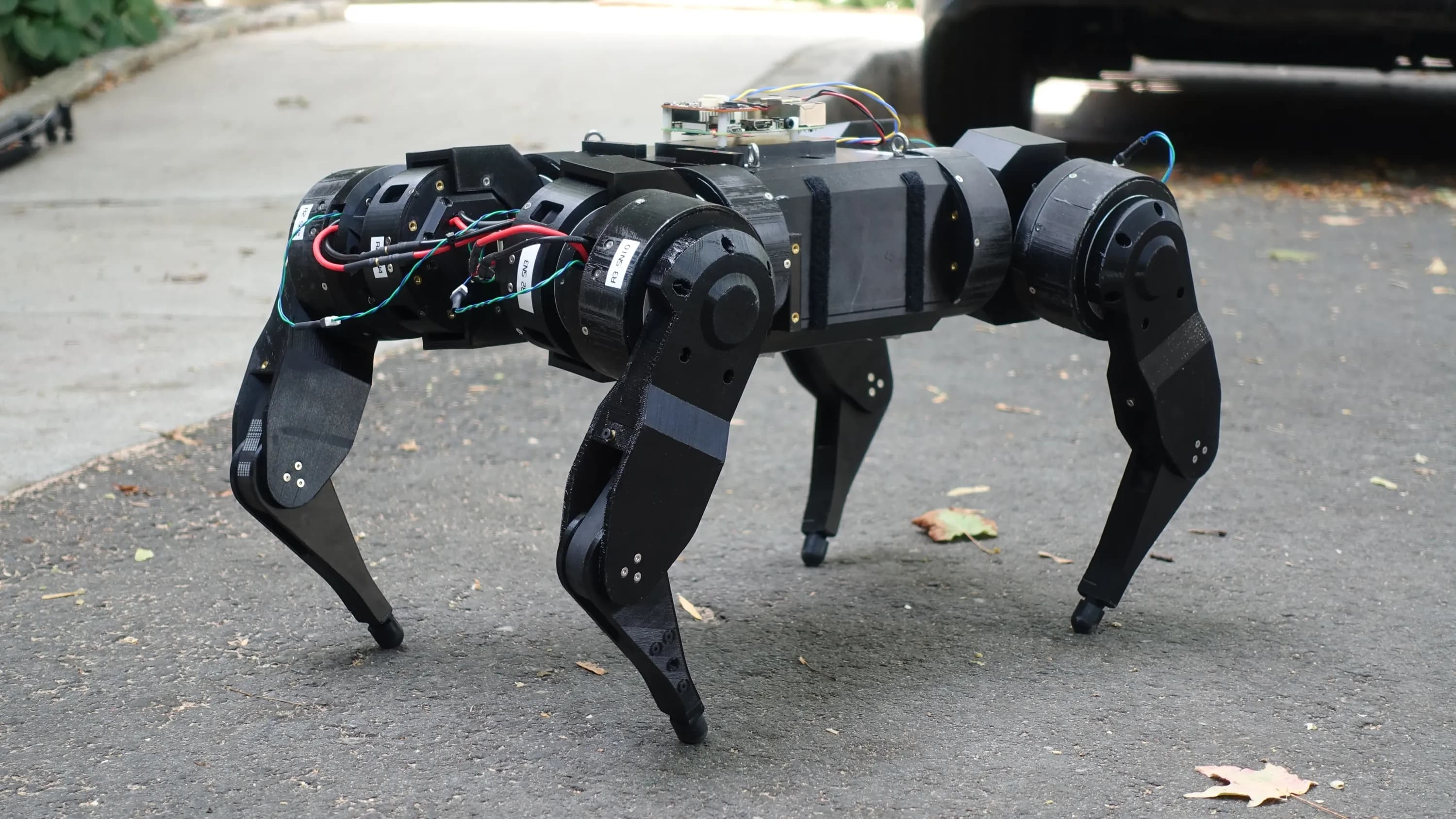
A four-legged machine used to work through actuation, gait and balance — and to give the control problem a physical body to fail against.
In the field
Engineering
Direction for students and builders working through a robotics project — scoping it sensibly, choosing hardware, and getting unstuck when it stops working.
Technical guidance for robotics and drone work: reviewing an approach, weighing options, and identifying what will cause problems later.
Building and testing a concept physically, so a decision rests on a machine that exists rather than on a document.
Robotic systems developed for a specific job — mechanical design, electronics, and the software that drives them.
Drone platforms built around a defined application, from airframe through to flight behaviour and integration.
Get started